Talking photo AI: make any portrait smile and greet the camera
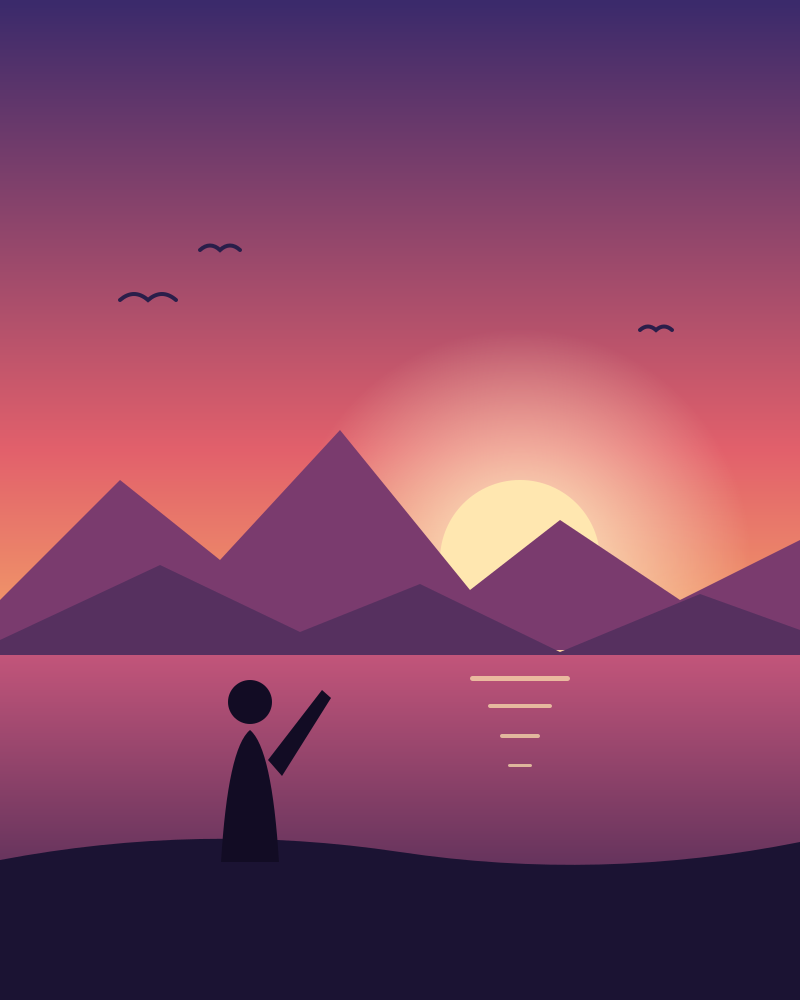
A talking photo keeps the face exactly as it is in your picture and adds small, natural movement: a blink, a smile, a turn of the head toward the camera.
Make this videoFrom $1.25 per video · no subscription · usually ready in a few minutes. See pricing
 Talking photo
 AI, explained
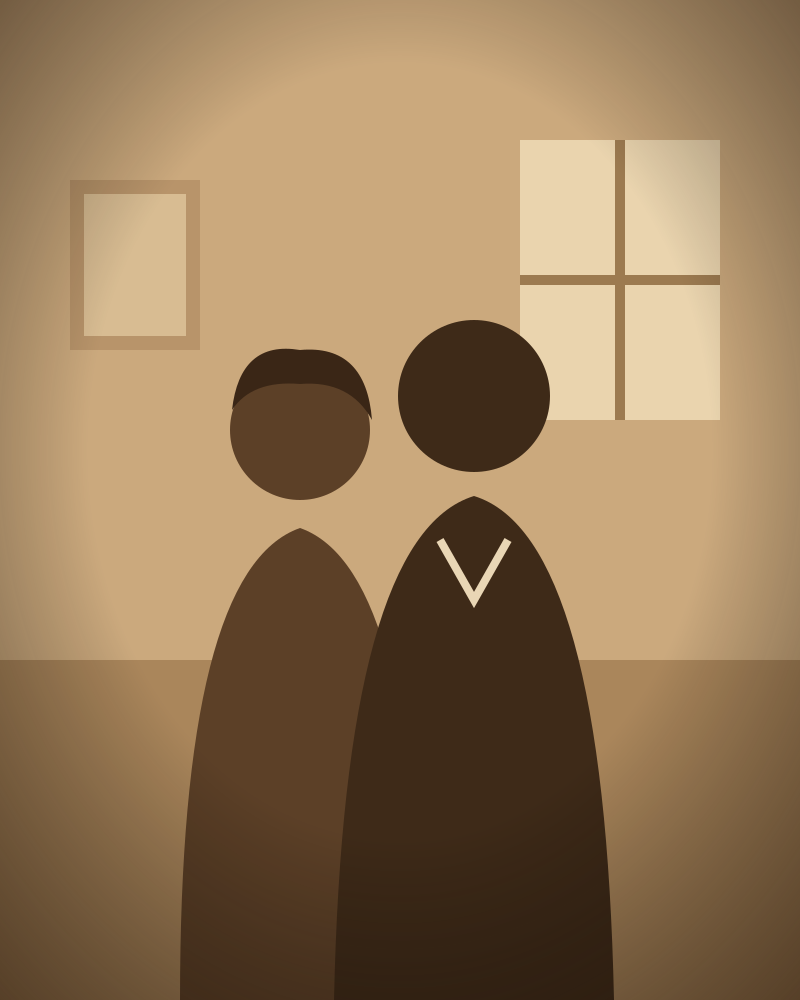
People search for a talking photo when they want a portrait to feel present again: a profile picture that greets visitors, a selfie that says hi to a friend, or a grandparent's portrait that seems to look back at you. Imagimation's AI director plans a few seconds of natural expression — eye contact, a blink, a smile, a small nod — and keeps the face exactly as photographed.
It works with selfies, headshots, passport-style photos and old portraits. For the most realistic faces pick Kling 3.0 Pro; for a quick, low-cost draft pick Grok Imagine 480p and upgrade once you like the idea.
Try one of these
Tap an example to open the studio with it filled in — then change any word.
How to make it
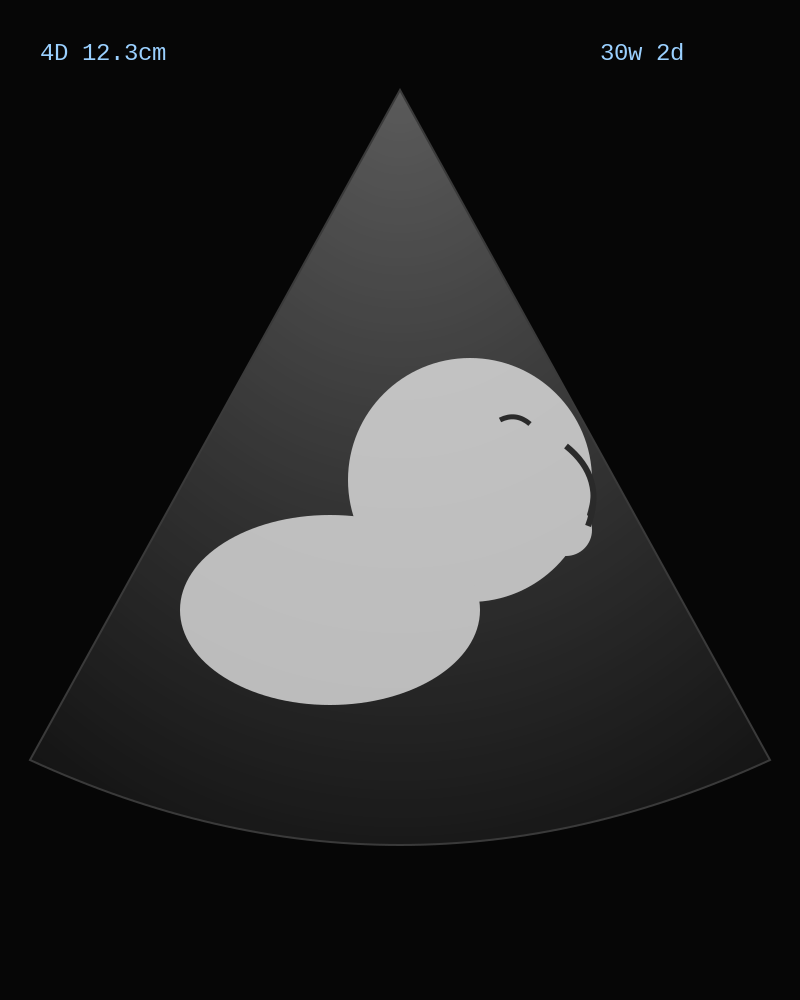
- Drop a photoA selfie, a pet, a product, an old family print or an ultrasound scan.
- Say what happensOne sentence in any language. The AI director turns it into shots and keeps faces and proportions true.
- Share your filmPick a look and a format, see the price, and get your video in a few minutes.
Tips for the best result
- Use a sharp, front-facing photo with the face clearly visible.
- Describe one simple action — a smile and a wave reads better than a long story.
- Choose Kling for the most lifelike faces, or Grok Imagine 720p for a lower price.
Questions
Can the photo speak in my language?
Write your idea in any language — the director understands it. The video itself has no reliable speech or lip-sync yet: it shows natural expression and movement, like a smile, a blink and a wave.
Can I use a photo of someone else?
Only with their permission. Videos of people without consent are against our rules and are removed.
Is this a deepfake?
It's an AI-generated video of a real photo, so we treat it with care: no face is swapped, no voice is cloned and nothing is put in anyone's mouth. It animates the person already in your photo, needs their consent, and is labeled as AI-generated.
Which photo works best for a talking photo?
A sharp, well-lit, front-facing portrait where the eyes are visible. Avoid sunglasses, heavy filters and faces smaller than a coin in the frame.
More ideas